
OakQuest Summer Camp
Academics with a Twist
A summer camp where kids build, test, and use what they create using LEGO, cardboard, Makedo materials, and VEX robotics. They stay active, play hard, and take on challenges all day, while working on ideas they return to, improve, and put into action.

Real learning
Built into a great camp day
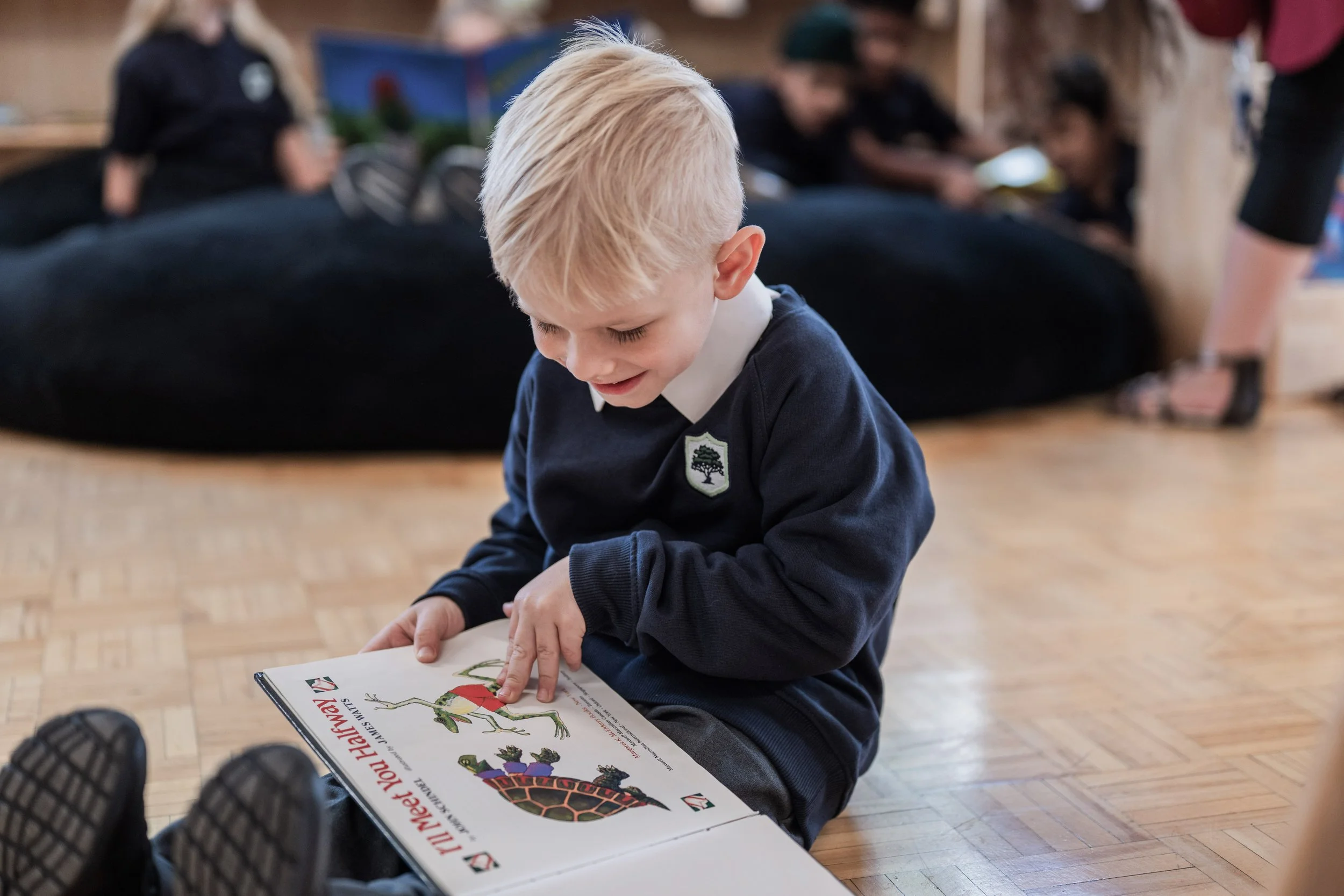
At OakQuest BuildLab Camp, the twist is simple. It feels like camp first. Kids are outside, moving, competing, and working with their group. The difference is what runs underneath. They are building things that work, coming back to them, improving them, and using them in real ways. Creative time helps them rethink ideas, fix problems, and come back stronger. By the end of the week, they have not just stayed busy. They have built something that works and can show it.
Build It. Test It. Make It Better.
Campers don’t just make things. They build things that work.
More Than One Way to Build
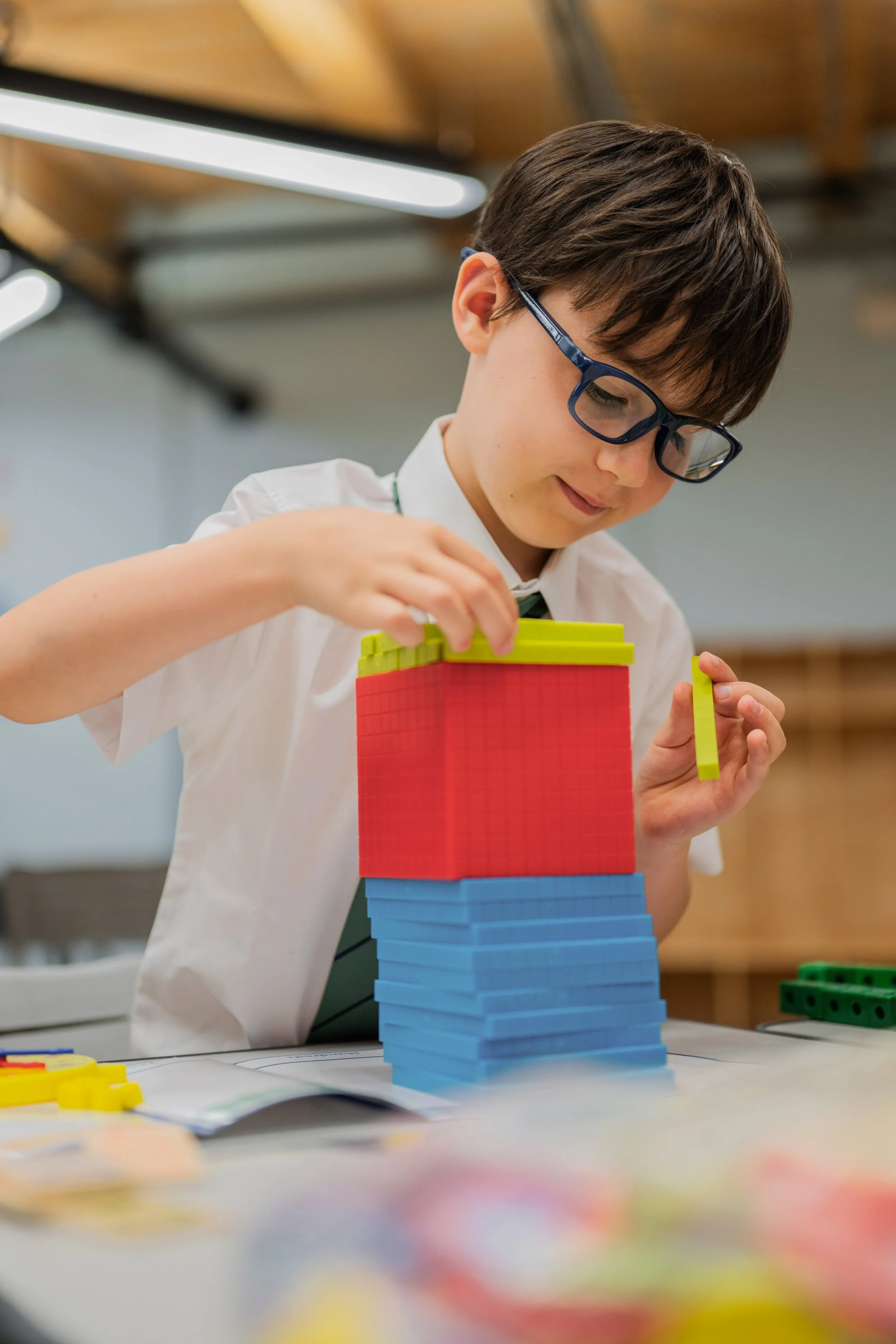
Quick LEGO builds, larger cardboard and Makedo designs, and robotics that add motion and control.
Used in Real Challenges
What they build is put to the test through races, missions, games, and final events.
Full Camp Energy
Outdoor games, team challenges, creative work, and constant movement are built into every day.
Themes that Drive the Experience
Each OakQuest Camp week is designed as a complete experience. The theme shapes the kinds of challenges campers take on, the projects they build, the games they play, and the ways they share ideas with one another. While the daily rhythm stays consistent, the theme gives each week its own identity and sense of momentum.
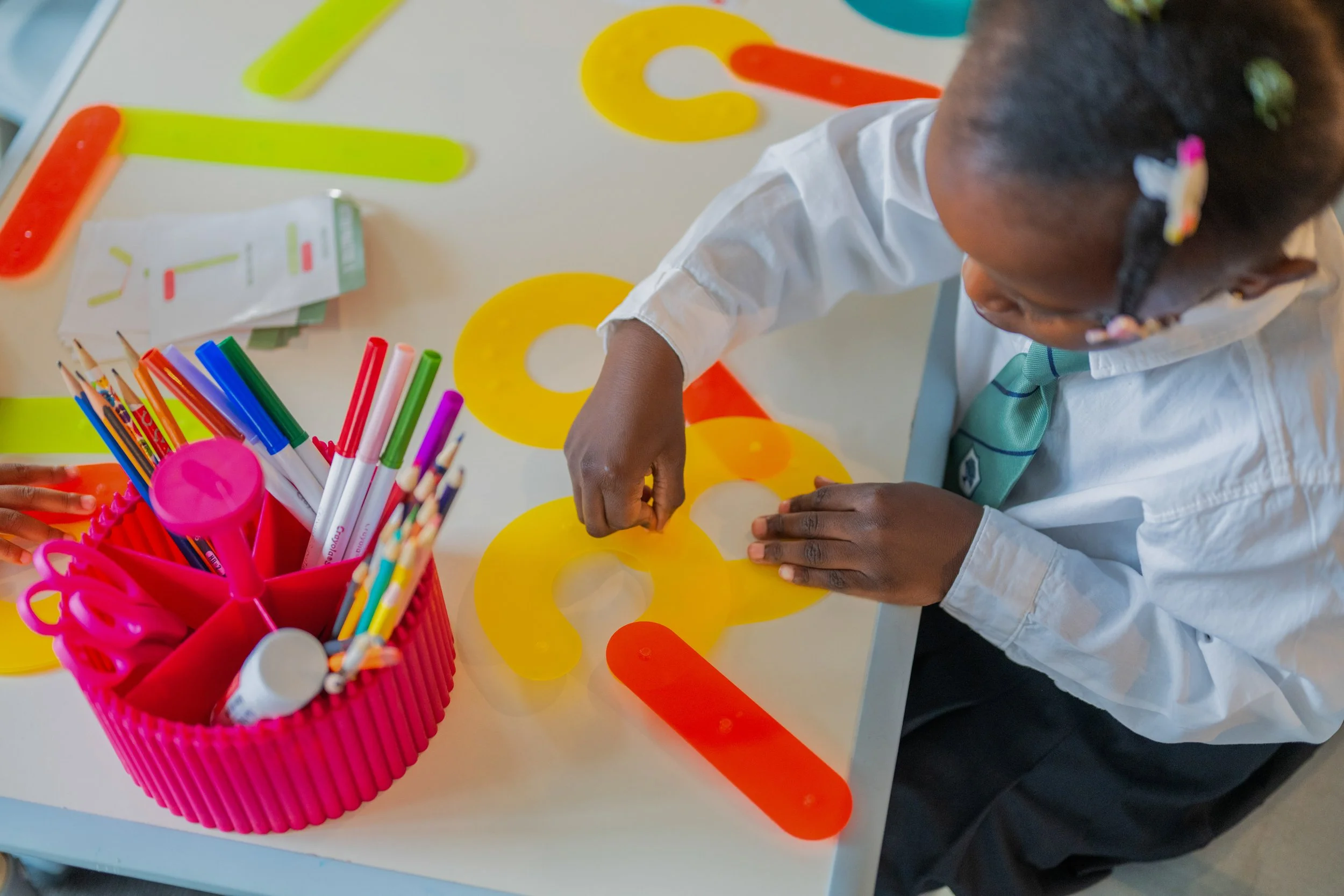
Across all themes, campers are constantly creating, explaining, adjusting, and sharing. Art, building, conversation, and everyday writing naturally support what campers are doing without ever feeling like lessons.
-
Build something that must perform, then improve it through repeated testing
Start with simple ideas and quickly adjust based on results
Use LEGO for prototyping and cardboard or Makedo to redesign and strengthen builds
Add movement or control using VEX robotics where appropriate
Track changes and refine performance across the week
Final performance challenge testing accuracy, distance, or reliability
-
Work in teams to complete fast-paced, evolving missions
Build tools, vehicles, and devices to solve physical and clue-based challenges
Design maps, symbols, and visual plans to guide thinking
Adapt strategies as missions change
Use builds directly within mission scenarios
Final multi-step mission challenge
-
Create environments, worlds, and interactive spaces
Build forts, landscapes, pathways, and themed structures
Design maps, signs, and visual guides for exploration
Extend ideas through creative work and group interaction
Use builds in games and shared experiences
Final walkthrough and exploration of camper-created worlds
-
Build systems that float, move, or travel
Test performance through repeated trials and real conditions
Improve balance, movement, and stability
Participate in water-based and outdoor challenges
Use drawing and labels to track and refine ideas
Final water or motion-based challenge
-
Build launch systems and moving designs
Use VEX robotics to add motion and control
Test distance, angle, and consistency
Adjust builds to improve performance
Track results and refine designs
Final launch and robotics challenge
-
Design and build original games and challenges
Create structures, play elements, and game systems
Develop rules, scoreboards, and instructions
Test games and adjust for fairness and fun
Improve designs based on feedback
Final full game day running and playing each other’s games
-
Build for speed, control, and performance
Create vehicles or movement-based systems
Test and track speed, direction, and results
Adjust builds through repeated runs
Plan strategies and team roles
Final race event with timed challenges
A Day at OakQuest Camp
A day at OakQuest Camp is active from start to finish. Campers spend most of their time building, moving, experimenting, exploring, creating, and working together.
The schedule follows a predictable rhythm so campers know what comes next, but the experiences within that rhythm change daily based on the theme.
Mornings are energetic and hands-on, with campers diving quickly into creative projects and longer challenges that require focus, collaboration, and problem-solving. As the day progresses, learning shifts into outdoor spaces where movement, exploration, and teamwork take the lead. Afternoons gradually slow so campers can capture ideas, reflect on what they have done, and end the day feeling settled and proud of their work.
Skills carry through the entire day rather than appearing in isolated blocks. Campers may use math while building a structure, language while explaining a game, observation while exploring the park, or creativity while recording ideas in their camp notebook.
-
Campers arrive, are checked in by staff, and join their group immediately. This is an active start to the day, not waiting time. Morning kickoff activities include quick games, cooperative challenges, puzzles, or light builds that get campers moving, talking, and reconnecting with peers. This block sets expectations for teamwork and participation while helping campers transition smoothly into the day.
-
This block launches the main focus of the day. Campers jump into hands-on projects connected to the weekly theme. Activities may include building, designing, inventing, crafting, or solving open-ended challenges. Campers plan ideas, test approaches, make changes, and work collaboratively. Staff guide activities to keep energy high while allowing campers to make choices and take ownership of their work.
-
Snack is short and purposeful. Campers refuel while remaining supervised and engaged. Light movement, casual games, or conversation keep momentum going. This block is designed to reset energy without breaking focus before the longer challenge period.
-
This is the longest and most immersive block of the morning. Campers work on larger challenges that require sustained focus and teamwork. Activities may involve LEGO builds, engineering-style challenges, logic and strategy games, motion or launch tasks, coding or sequencing games, or theme-based problem-solving. Campers are encouraged to try ideas, test them, adjust, and try again. Older campers may take on added responsibility within activities, supporting group success while staff remain fully responsible for supervision.
-
Lunch is a structured break that allows campers to eat, socialize, and recharge. Staff support positive routines and smooth transitions. Campers are given time to relax while staying connected to their group.
-
Following lunch, campers move back into activity through light games and movement-based challenges. This block helps campers regulate energy levels and prepares them for the afternoon without jumping straight into complex tasks. Activities emphasize cooperation, coordination, and fun.
-
Afternoons are anchored outdoors whenever possible. Campers participate in group games, cooperative challenges, park visits, and exploration activities. This block blends movement with curiosity and teamwork. Campers adapt rules, solve outdoor challenges, explore different spaces, and work together in a less structured environment while remaining under clear supervision. During warmer weather, this block may include water-based cooling activities such as splash pad visits, scheduled based on weather, crowd levels, and availability.
-
As the day begins to slow slightly, campers shift into activities that help them capture and share what they have done. This may include building displays, creating artwork, preparing demonstrations, adding to camp notebooks, or sharing stories and highlights with the group. This block gives campers time to reflect, communicate ideas, and feel proud of their work without becoming sedentary.
-
The final block of the day is calm and organized. Campers enjoy a final snack while completing camp notebook entries such as sketches, notes, highlights, or favourite moments from the day. Staff support structured dismissal routines to ensure a smooth and positive end to the camp day.Item description
Frequently Asked Questions
-
OakQuest BuildLab Camp is designed for children ages 4 to 12. Campers must be 4 years old by their first day of attendance.
-
Campers build things, test them, and then come back to improve them. They take part in outdoor games, team challenges, and creative work, and use what they build in real activities throughout the day.
-
It is a build-focused camp with robotics included. Campers use LEGO, cardboard, Makedo materials, and VEX robotics to create and improve working builds.
-
It feels like camp first. Campers are active, social, and engaged all day. The difference is they are building things that they improve and use, not just moving between activities.
-
Yes. Creative work happens daily and is connected to themes and challenges. Campers design, build, draw, decorate, perform, and create with purpose. Art supports thinking, planning, and expression rather than standing alone as a craft activity.
-
Outdoor time is built into every day. Campers participate in games, cooperative challenges, park visits, and exploration activities. Outdoor time is supervised, purposeful, and balanced with indoor programming.
-
Water activities may be included during appropriate weeks and weather. Some weeks may include off-site experiences. Details are shared in advance when applicable.
-
Some weeks may include off-site or experiential activities connected to the weekly theme. Not every week includes a field trip. All off-site experiences follow InnovOak trip protocols. Details, permission requirements, and costs if applicable are shared with families in advance
-
OakQuest Camp has clear, age-appropriate expectations for behaviour. Staff focus on proactive support, redirection, and helping campers regulate and resolve conflicts. If a camper is struggling consistently, families are contacted to support a shared approach.
-
Campers bring a packed lunch, snacks, a water bottle, appropriate footwear, and weather-appropriate clothing. Additional details are shared closer to camp.
-
Campers experience building something that works, improving it over time, and seeing their ideas come together. They gain confidence, persistence, and pride in what they create.
If you have any questions, please feel free to email us